




 Contact
 Press
PressArt
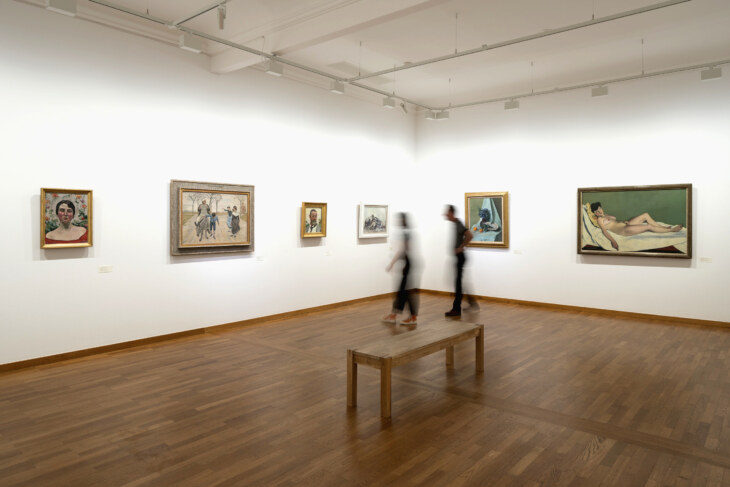
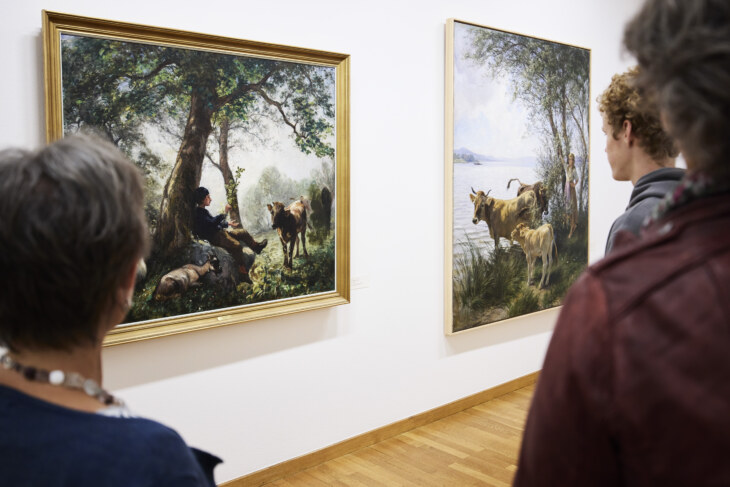
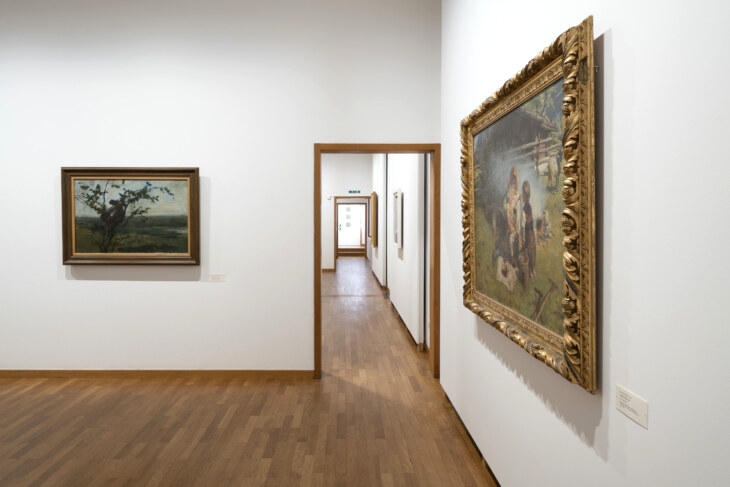
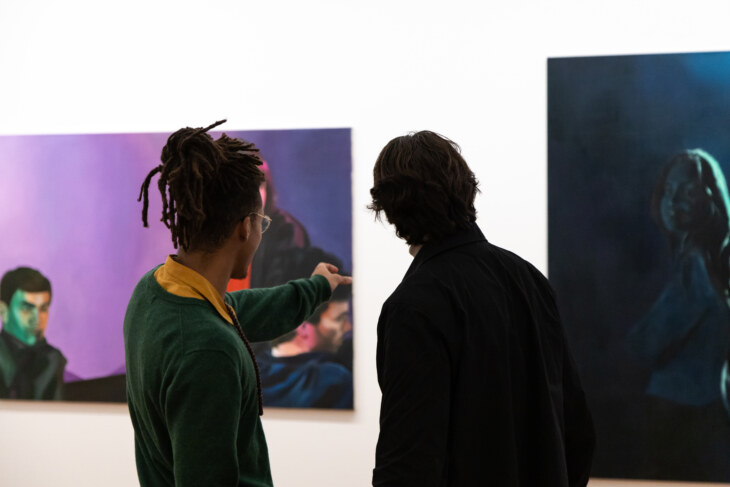
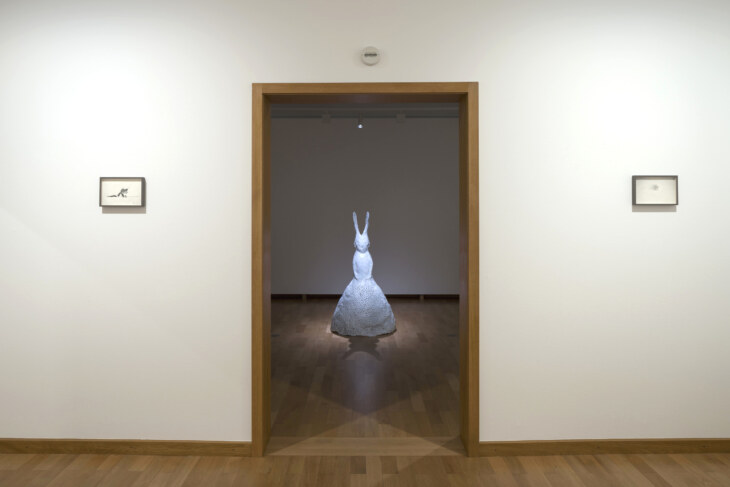
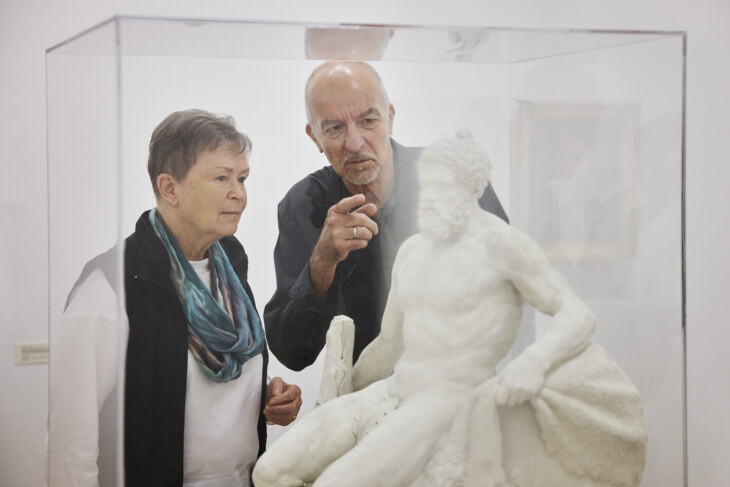
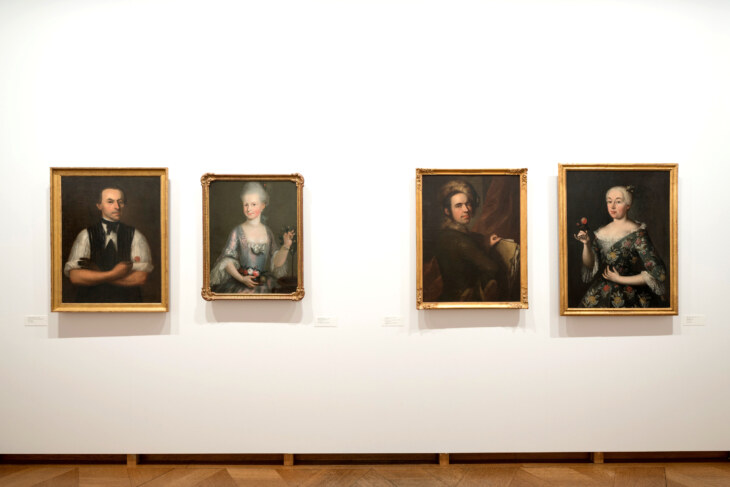
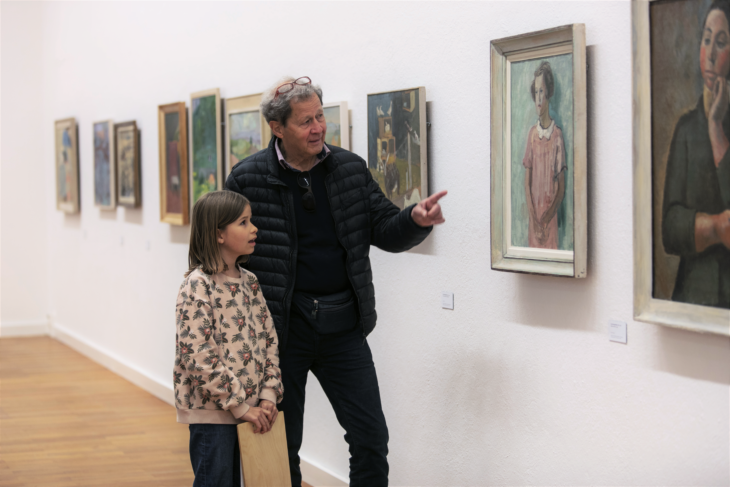
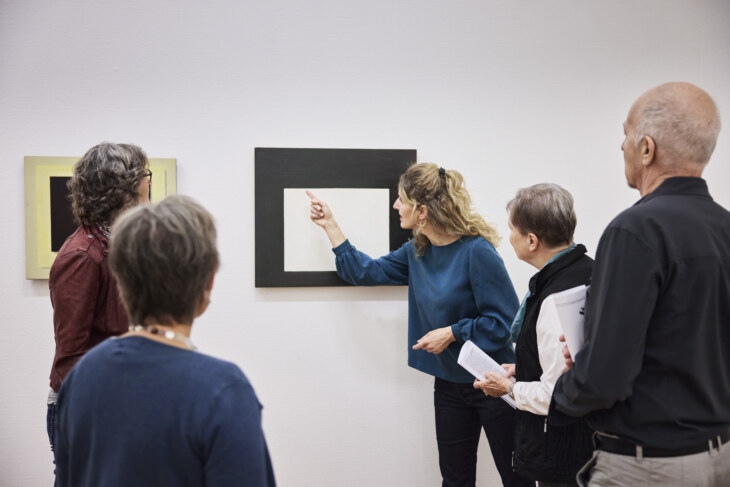
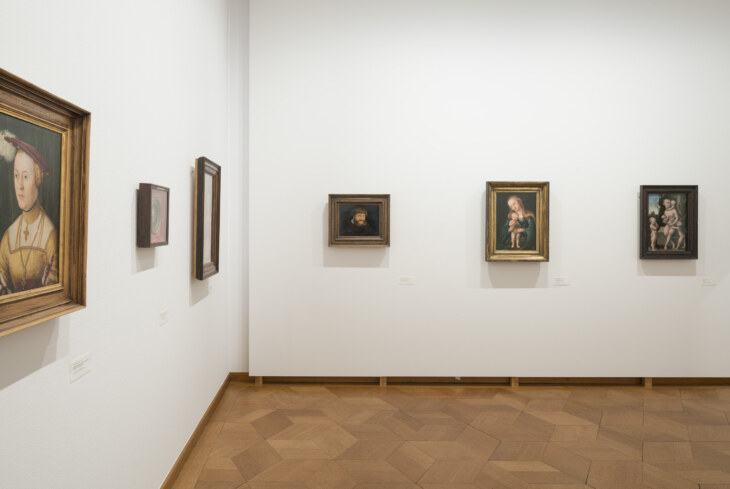
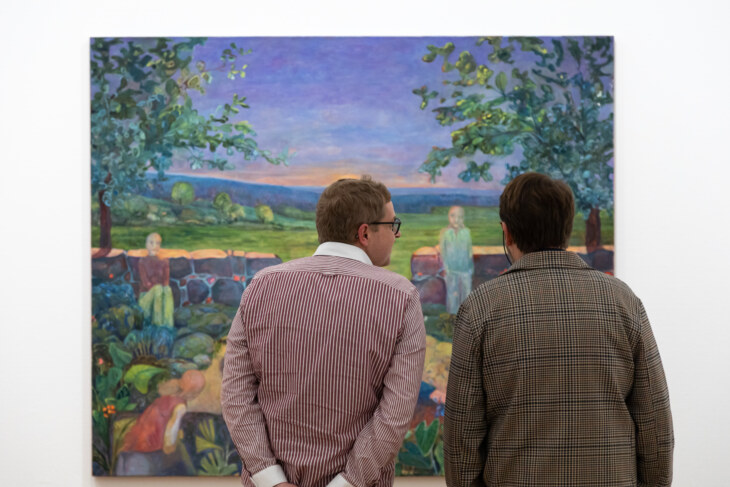
The collection of older art at the Museum zu Allerheiligen spans over 500 years of art history, beginning in the late Middle Ages and ending with the Second World War. Since 1848, the year the Swiss Confederation was founded, it has been continuously expanded—initially by the Kunstverein Schaffhausen, and later by the museum, which opened in 1938.
Today the collection of older art includes some 2,000 paintings, 300 sculptures, and 30,000 works on paper. The new permanent exhibition curated by Dr. Andreas Rüfenacht showcases a surprising selection from this diverse inventory of art from the region, throughout Switzerland, and around the world, telling stories of change, adaptation, rebellion, tradition, and innovation in art history spanning half a millennium.
The Collection of Older Art
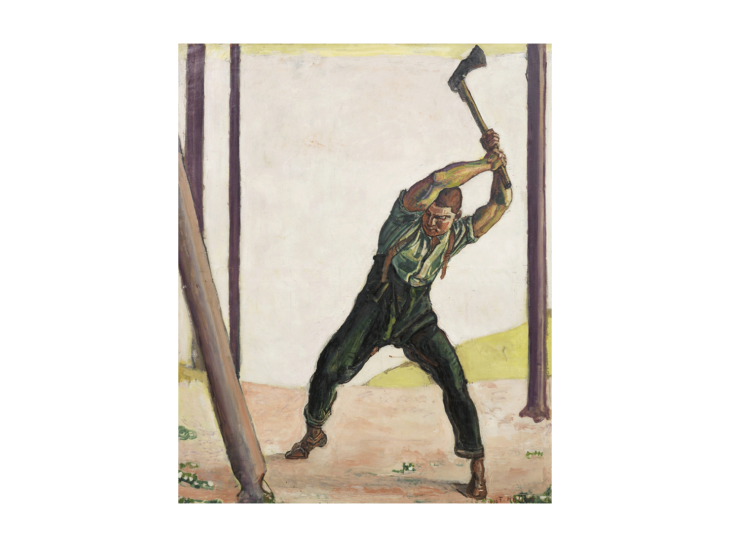
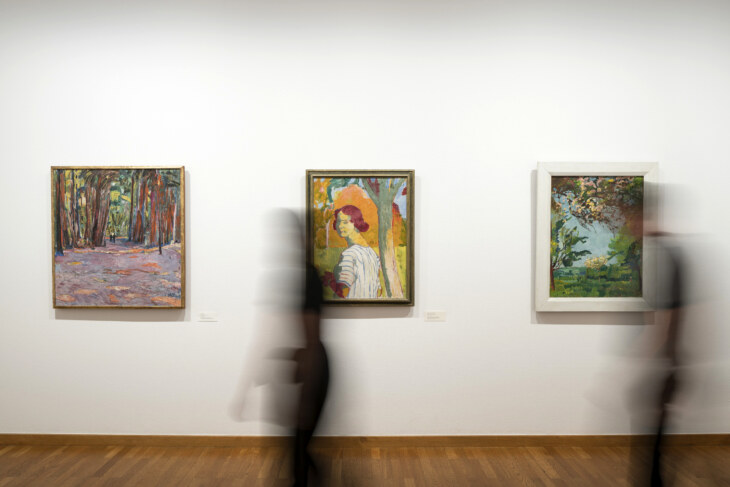
A focal point is modernist art in Schaffhausen and throughout Switzerland. Works by local painters such as Richard Emil Amsler, Hans Sturzenegger, and Carl Roesch engage in dialogue with pieces by Ferdinand Hodler, Giovanni Giacometti, and Felix Vallotton. Another focus follows art history from the early modern period to the art movements of the 19th century. Lucas Cranach the Elder, Tobias Stimmer, Johann Heinrich Füssli, Alexander Trippel, and other significant figures offer insights into changes in artistic expressions. Baroque portraits from Schaffhausen and landscape paintings by Swiss minor masters around Louis Bleuler, including several depictions of the Rhine Falls, are also on view.
This new presentation offers a cross-section of the collection. However, it is not intended to remain static, but rather to allow for regular exchanges of works from the museum’s collection ranging from 1500 to 1945 in the individual rooms, bringing new connections and themes into focus.
New Presentation of the Contemporary Art Collection
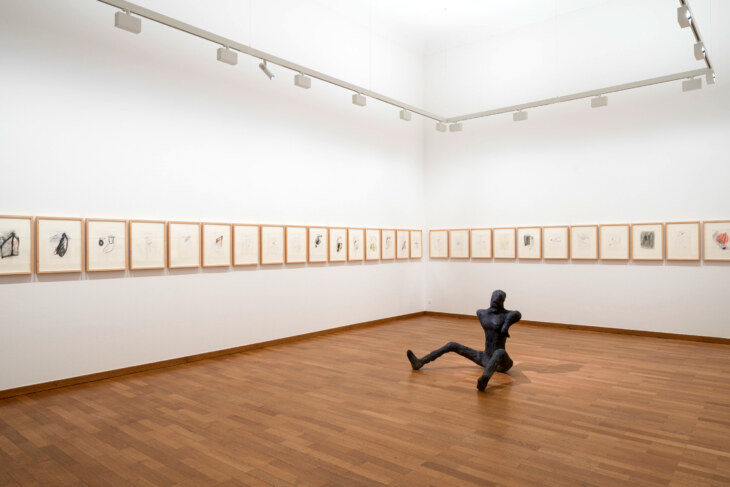
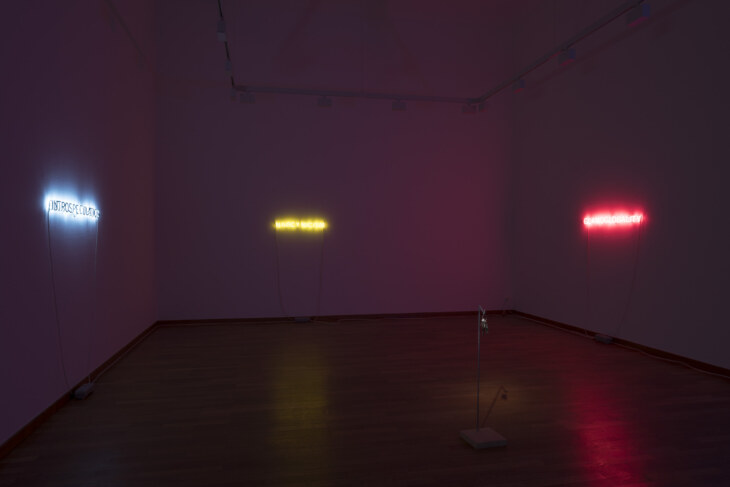
The current presentation of the contemporary art collection consists of new acquisitions and works that have not been exhibited for a long time. The starting point is the drawing Untitled (Stilts) by Ulrich Meister. It depicts a pair of stilts, a children’s toy that has fallen into oblivion. Today, their shape is more reminiscent of crutches. This oscillation between humorous levity and somber seriousness resonates throughout all the exhibition spaces. Selected works from the art-historical collection establish connections spanning different eras. Time and again, the exhibits negotiate the attempt to overcome spaces, obstacles, societal attributions, and crises. Those who are hopeful these days may well need something to lean on. Or are those who have lost hope actually better positioned in the end?
With works by Silvia Bächli, Sabian Baumann, Beni Bischof, Chloé Delarue, Hans Baldun Grien, Bonaventura Genelli, Judith Kakon, Käthe Kollwitz, Esther Mathis, Ulrich Meister, Alexandra Meyer, Kaspar Müller, Peter Paul Rubens, Filib Schürmann, Markus Schwander, Ludwig Stocker, and Christian Vetter